$20.00
We will hold your cart for 15:00.
Walking down the cutting board aisle can feel like a trip to the lumberyard: bamboo, acacia, olive wood, maple, walnut — each grain telling a different story. If you’re wondering which material really stands up to daily chopping, resists bacteria, and survives your dishwasher (spoiler: none of these should go in there), you’re in the right place.
At Kitchen Forge, we’ve seen bamboo boards that last a decade and acacia boards that warp after a year. The truth is, the best choice depends on how you cook, how much you want to spend, and how much maintenance you’re willing to take on. In this guide, we’ll break down the pros and cons of bamboo, acacia, and olive wood — covering durability, water resistance, knife-friendliness, eco-impact, and price — so you can choose with confidence.
Your cutting board is the workhorse of your kitchen. It takes a beating from knives, absorbs juices, and sits on your counter for hours. The material affects not just how long the board lasts, but also how you care for it, how it feels under your knife, and even how sustainable it is for the planet.
Let’s dive into the three contenders that dominate the Kitchen Forge catalog: bamboo, acacia, and olive wood. Each comes from the Totally Bamboo collection, a leader in sustainable wooden kitchenware.
Bamboo is often touted as the most sustainable cutting board material, and for good reason. It’s technically a grass, not a wood, which means it grows at astonishing rates — up to 3 feet per day in optimal conditions. This rapid renewability makes bamboo a standout for eco-conscious cooks.
Bamboo is harder than many traditional hardwoods, including maple and oak. That’s great for resisting knife marks, but it also means your knives will dull faster than they would on a softer board. If you use high-end knives, you might notice the difference over time. That said, bamboo’s hardness makes it incredibly durable — it won’t easily crack or split under heavy use.
Bamboo resists water penetration better than some woods, thanks to its natural bamboo fiber structure. However, it’s not waterproof. Prolonged exposure to moisture can cause warping or cracking, so always hand-wash and dry promptly. Stains from beets, turmeric, or berry juice can be stubborn but are generally removable with a gentle scrub.
Caring for bamboo is straightforward: hand wash with mild soap, dry immediately, and oil monthly with a food-grade mineral oil to keep it from drying out. Never put bamboo in the dishwasher — the heat and moisture will cause it to delaminate.
The eco-credentials are impressive. Bamboo requires no pesticides or fertilizers, absorbs more CO2 than most trees, and regenerates after harvesting without replanting. When you buy from Totally Bamboo, you’re supporting a California-based, woman-owned company that sources Moso bamboo (the most sustainable variety) from FSC-certified forests in China.
Acacia wood, also known as koa or wattle, comes from hardwood trees grown in tropical and subtropical regions. It’s quickly becoming a favorite among home cooks for its rich color variations and impressive strength.
Acacia is exceptionally hard and dense, even more so than bamboo in some cases. This makes it highly resistant to deep cuts, scratches, and warping. However, the hardness can take a toll on knife edges, similar to bamboo. If you value a board that barely shows wear and tear, acacia is a strong contender.
Acacia has natural antifungal and antibacterial properties, which make it resistant to moisture damage and odors. It’s also less porous than other woods, so it doesn’t absorb liquids as readily. That said, it’s still not dishwasher safe and should be treated with care.
Like bamboo, acacia requires hand-washing and regular oiling to maintain its gorgeous finish. It responds well to mineral oil or beeswax. With proper care, an acacia board can last for decades, making it a great long-term investment.
Acacia is fast-growing and often harvested from plantation sources, making it a more sustainable choice compared to slow-growing hardwoods like walnut. Totally Bamboo’s Rock & Branch line features acacia boards that are both stylish and responsibly sourced.
Olive wood is the boutique option of cutting boards. Harvested from the pruned branches of old olive trees, it’s beloved for its striking grain patterns and rich, warm honey tones. Each board is unique, making it a gorgeous gift for the discerning cook.
Olive wood is dense and heavy, but not as hard as bamboo or acacia. That’s actually a plus: it’s gentler on your knife edges. It’s still durable and won’t easily crack, but it may show knife marks more visibly over time. Many cooks consider that a sign of character.
Olive wood is naturally rich in oil, which gives it a degree of water resistance. It’s less prone to cracking from moisture swings than other woods. However, it can still warp if submerged, so hand-wash only.
Care is simple: wipe after use, wash by hand, and oil occasionally. Olive wood doesn’t need as frequent oiling as bamboo or acacia because of its natural oil content. It’s also naturally antimicrobial, making it a hygienic surface for food prep.
Olive wood is a byproduct of the olive industry; trees are pruned and eventually replaced, so using the wood reduces waste. Totally Bamboo’s Rock & Branch olive wood line is a responsible choice that adds warmth to any kitchen.
| Feature | Bamboo | Acacia | Olive Wood |
|---|---|---|---|
| Hardness | Very hard | Very hard | Moderately hard |
| Knife-friendliness | Fair (dulls knives) | Fair (dulls knives) | Good (gentler on edges) |
| Durability | High | Very high | High |
| Water resistance | Good | Excellent | Very good |
| Maintenance | Monthly oiling | Monthly oiling | Occasional oiling |
| Eco-friendliness | Best | Good | Good |
| Price range | $20–$60 | $30–$100 | $40–$120 |
Now that you know the differences, here’s our no-nonsense advice:
And remember, no matter the material, always hand wash and dry your board, and oil it regularly to keep it in top shape.
The best cutting board is the one that fits your cooking style and your values. Bamboo, acacia, and olive wood each offer distinct benefits, and you really can’t go wrong with any of them if you care for it properly.
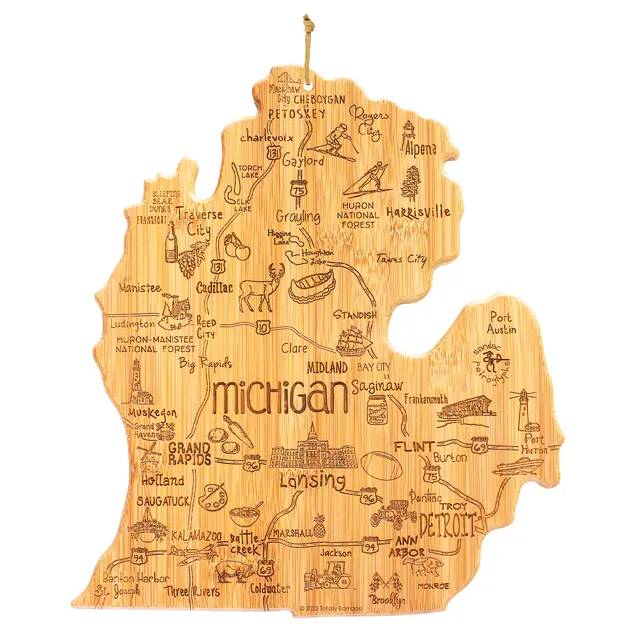
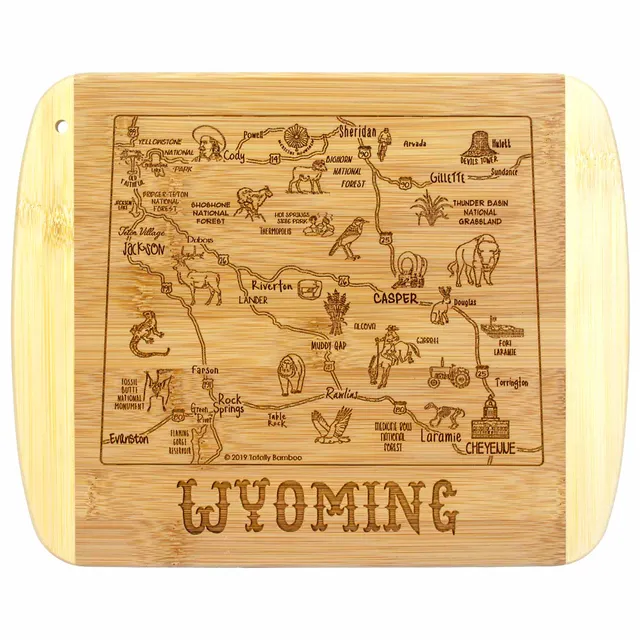
At Kitchen Forge, we carry a wide selection of Totally Bamboo boards, many with beautiful engraved designs that add a personal touch to your kitchen. Browse our collection today and find the board that’s perfect for you.
Orders over $45.00 ship free. Otherwise, shipping is $8.00.
Hassle-free returns
SSL encrypted checkout
100% genuine products
Discover 1,000+ prep and mixing tools from KitchenAid and Totally Bamboo, plus practical buying guides to simplify your choice.
Email: support@kitchenforge.us
Address: 1847 Cedar Mill Road, Suite 12, Portland, OR 97229, United States